
Get Lightning Protection Service
Lightning Protection Service providers help property owners prevent damage and safety hazards by installing lightning rods, grounding systems, and surge protection for various buildings.
Property owners in the area who are considering lightning protection services often seek reliable solutions to safeguard their buildings and electrical systems. Whether planning a new construction, upgrading existing structures, or maintaining safety standards, exploring options from experienced local contractors can help ensure the right approach is taken. Comparing different service providers allows property owners to find solutions tailored to their specific needs, providing peace of mind and enhanced protection.
Continuing to explore available lightning protection services can lead to identifying trusted local contractors equipped to handle a variety of property types. Understanding the practical benefits of professional installation and maintenance encourages informed decisions for long-term safety. This page aims to connect property owners with qualified service providers, making it easier to find the right expertise for their lightning protection needs.
- Commercial Buildings - when large structures need reliable lightning protection to safeguard assets and occupants.
- Residential Homes - when homeowners want to protect their property and electrical systems from lightning strikes.
- Industrial Facilities - when factories and warehouses require specialized lightning protection to prevent operational disruptions.
- Electrical Infrastructure - when utility companies need to ensure the safety and reliability of power distribution systems.
- Historical Structures - when preservation efforts include installing lightning protection without compromising architectural integrity.
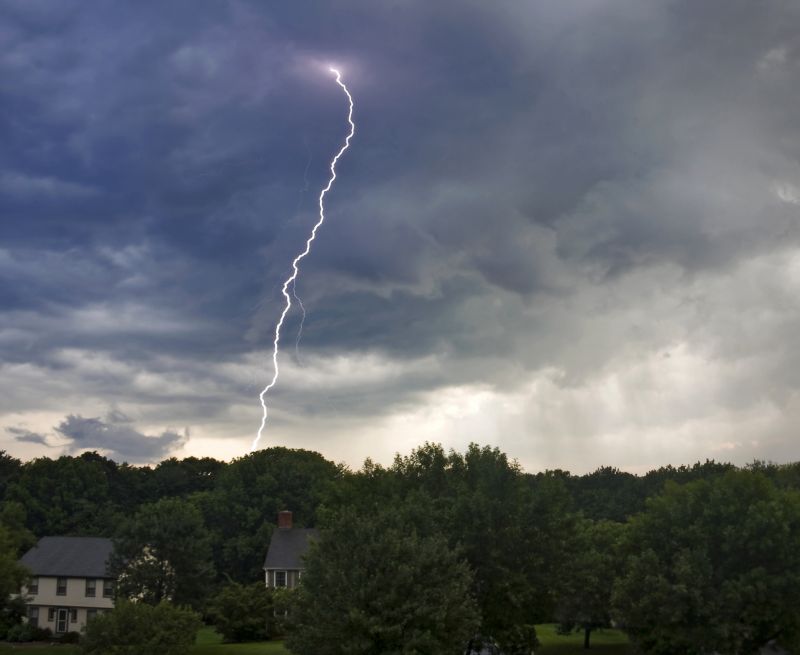
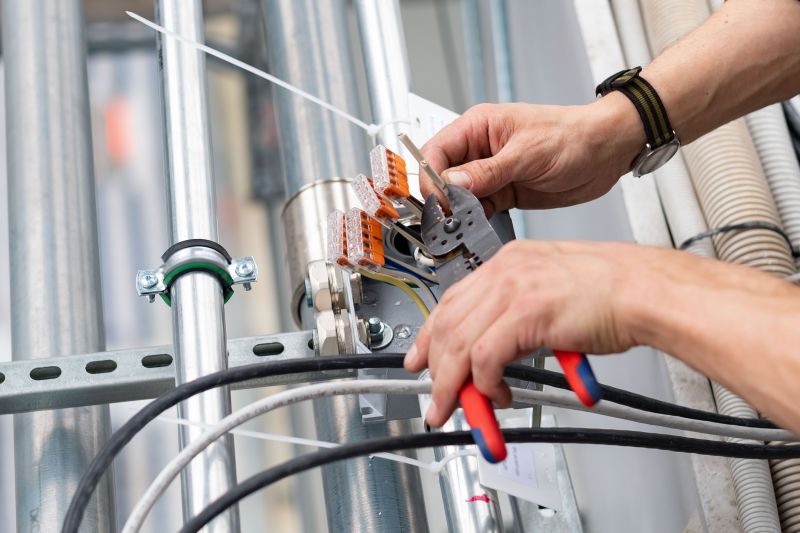
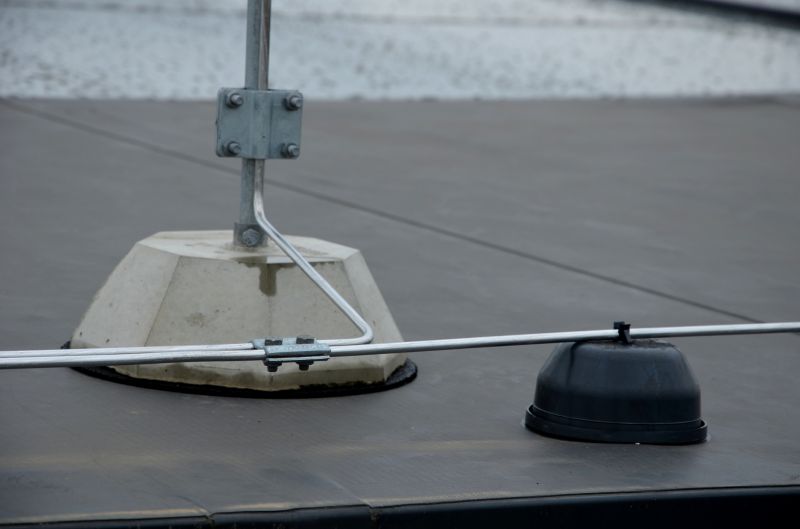
Lightning protection services involve installing specialized systems designed to safeguard properties from the damaging effects of lightning strikes. These systems typically include lightning rods, conductors, and grounding components that work together to safely channel electrical energy away from structures. Proper installation ensures that if lightning strikes, the electrical surge is directed into the ground, reducing the risk of fire, electrical damage, or injury. Engaging experienced local contractors ensures the system is correctly installed to provide effective protection tailored to each property’s specific needs.
This service helps resolve common problems associated with lightning strikes, such as electrical fires, damage to electronic devices, and structural harm. Without proper protection, a direct lightning strike can cause extensive damage to roofs, wiring, and appliances. In addition, lightning can pose serious safety risks to residents and visitors. Lightning protection systems are designed to minimize these risks by providing a safe pathway for electrical energy, preventing it from passing through sensitive areas of the property or causing harm to its occupants.
Properties that typically utilize lightning protection services include residential homes, especially those with tall or isolated structures, as well as commercial buildings and industrial facilities. Homes located in open or elevated areas are more vulnerable to lightning strikes and often benefit from such systems. Larger properties, including warehouses or manufacturing plants, may require more extensive protection measures. Even smaller residential properties can benefit from lightning protection if they are situated in regions prone to thunderstorms or have valuable electronic equipment that needs safeguarding.
Homeowners considering lightning protection services should look for local service providers who specialize in installing these systems. These professionals can evaluate the property’s risk factors, recommend appropriate solutions, and ensure proper installation. By working with experienced local contractors, homeowners can enhance their property’s safety and reduce the potential for costly damage caused by lightning strikes. Contacting a qualified service provider can help determine if lightning protection is a suitable addition to the property’s safety measures.
The overview below groups typical Lightning Protection Service projects into broad ranges so you can see how smaller, mid-sized, and larger jobs often compare in your area.
In many markets, a large share of routine jobs stays in the lower and middle ranges, while only a smaller percentage of projects moves into the highest bands when the work is more complex or site conditions are harder than average.
Smaller Repairs - Typical costs for routine lightning protection repairs range from $250 to $600. Many standard jobs fall within this middle range, depending on the scope of work and property size.
System Installations - Installing a new lightning protection system generally costs between $1,000 and $3,000. Larger or more complex projects can exceed this range, but most installations are completed within this band.
Full System Replacement - Replacing an entire lightning protection system often ranges from $3,500 to $8,000. Fewer projects push into the higher end, which is typically reserved for extensive or commercial properties.
Complex or Large-Scale Projects - Very large or intricate lightning protection systems can cost $10,000 or more. These projects are less common and usually involve specialized design and installation by local contractors.
Actual totals will depend on details like access to the work area, the scope of the project, and the materials selected, so use these as general starting points rather than exact figures.
Roofing Projects - Installing or repairing roofs requires knowledge of building structures and safety protocols similar to those used in lightning protection system installation.
Electrical System Installations - Electricians handle wiring and grounding, skills that are directly applicable to integrating lightning protection components into existing electrical systems.
High-Voltage Line Maintenance - Maintaining and installing high-voltage lines involves working at heights and with electrical currents, paralleling the planning and safety considerations of lightning protection services.
Structural Reinforcement Projects - Strengthening building frameworks often involves planning and materials handling skills relevant to installing grounding systems for lightning protection.
Gutter and Drainage System Installation - Proper drainage setup requires understanding of building exteriors and water flow management, similar to the planning needed for lightning strike mitigation.
Chimney and Vent Installation - Installing vents and chimneys involves working at heights and with building penetrations, akin to the safety and structural considerations in lightning protection work.
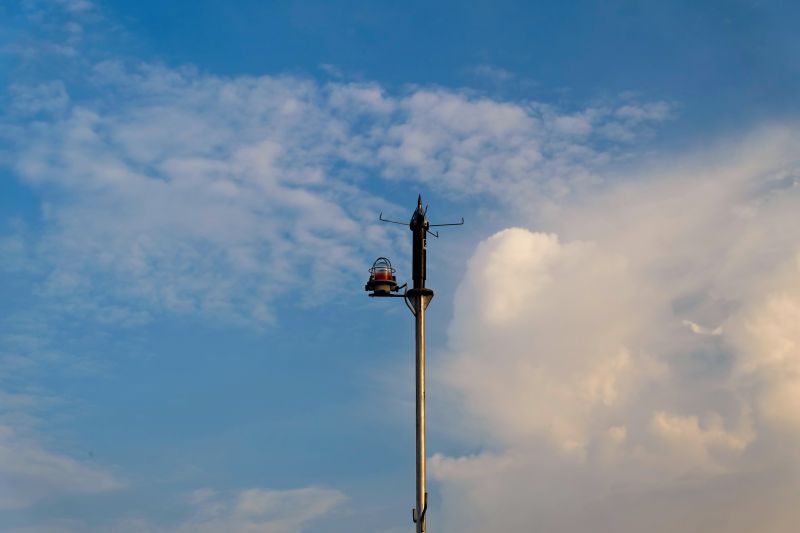
When comparing service providers for lightning protection systems, it’s important to consider their experience with similar projects. Homeowners should look for local contractors who have a proven track record of installing lightning protection systems on homes comparable in size, design, and location. An experienced provider will be familiar with the specific challenges that can arise in different types of properties and will have a history of successfully completing projects similar to the one at hand. This familiarity can help ensure that the system is installed correctly and functions reliably over time.
Clear, written expectations are essential when evaluating potential service providers. Homeowners should seek detailed proposals that outline the scope of work, materials to be used, and the responsibilities of the contractor. Having these details in writing helps prevent misunderstandings and provides a basis for comparing different options objectively. Reputable local contractors will be transparent about what is included in their services and will be willing to answer questions to clarify any uncertainties, fostering a smoother project process.
Good communication and reputable references are key indicators of a reliable service provider. Homeowners can ask prospective local pros for references from past clients who had similar projects completed. Contacting these references can provide insights into the contractor’s professionalism, punctuality, and quality of work. Additionally, effective communication throughout the process-such as prompt responses to inquiries and clear explanations of the work-can make the experience more straightforward and less stressful. Remember, this site introduces homeowners to local options that are equipped to handle the work, but it does not perform the installation itself.
Property owners use Lightning Protection Service services for practical projects around their homes and businesses. This guide focuses on everyday jobs and straightforward project options.
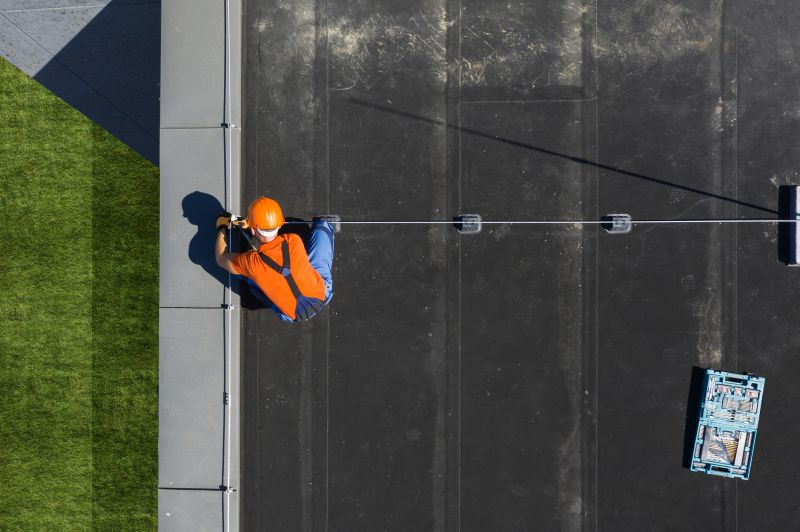
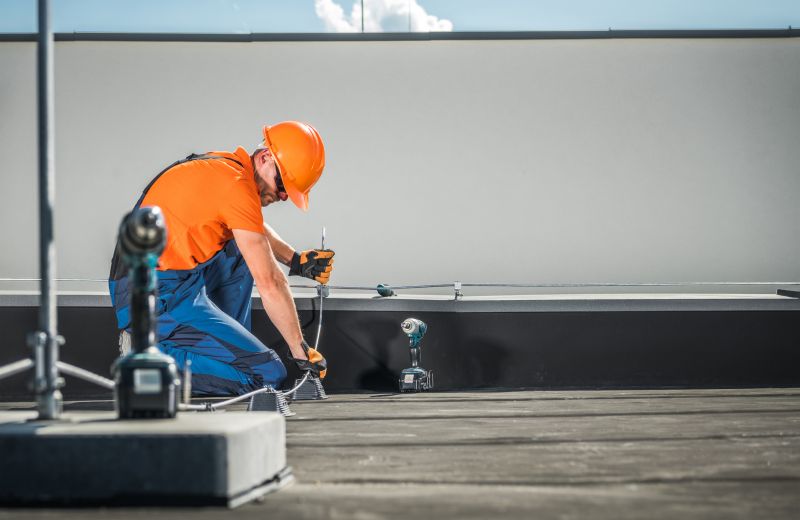
Lightning protection services are often needed for residential and commercial properties that are susceptible to frequent thunderstorms or lightning strikes. Property owners may seek these services to safeguard their buildings, electrical systems, and valuable equipment from potential damage caused by lightning strikes. Local contractors can assess the specific needs of each property and install the appropriate systems to help reduce the risk of fire, electrical surges, and structural harm during stormy weather.
In everyday situations, property owners might consider lightning protection when constructing new buildings or renovating existing structures. Additionally, those with tall or isolated buildings, large trees, or outdoor facilities may look for local service providers to install or upgrade lightning protection systems. Connecting with experienced local contractors can ensure that properties are better prepared for severe weather events, providing peace of mind and added security.
What is lightning protection service? Lightning protection service involves installing systems designed to safely direct lightning strikes away from structures, helping to prevent damage and ensure safety.
How do local contractors install lightning protection systems? Local contractors assess the building, design a suitable system, and install lightning rods, grounding wires, and other components to provide effective protection.
Are lightning protection systems effective for all types of buildings? Lightning protection systems can be installed on a variety of structures, including residential, commercial, and industrial buildings, to enhance safety against lightning strikes.
What components are typically part of a lightning protection system? Common components include lightning rods, grounding conductors, bonding wires, and surge protection devices designed to work together to safely channel lightning strikes.
How can I find local service providers for lightning protection? This website can help connect with local contractors who specialize in lightning protection services, allowing for comparison and selection based on specific needs.
Protecting Residential Buildings - Local contractors can install lightning protection systems on homes to help prevent damage during thunderstorms.
Safeguarding Commercial Properties - Business owners can work with local pros to add lightning rods and grounding systems to their facilities.
Enhancing Outdoor Structures - Property owners can have lightning protection installed on garages, sheds, or other outdoor buildings for added safety.
Upgrading Historic or Unique Properties - Local service providers can help adapt lightning protection solutions to preserve the integrity of older or custom-designed structures.
If you are thinking about Lightning Protection Service for a property, this guide is meant to help you understand the work, the typical project types, and how different options might fit your plans.
When you are ready, you can use the quote form on this page to share a few details about your project. From there, local pros can review the basics and respond with options that match what you have in mind.